It's 2 a.m. A critical machine on the shop floor grinds to a halt. Nobody knows the last time it was serviced. Nobody's sure which spare part fits. The maintenance guy on call is flipping through a dusty logbook trying to piece together the machine's history while production sits idle, losing money by the minute.
This scene plays out in plants every single day — and it's exactly the kind of chaos that pushed the maintenance world to build something better. That "something better" is CMMS software.
What Is CMMS Software, in Simple Terms?
CMMS stands for Computerized Maintenance Management System — that's the CMMS full form, if you've been wondering what the letters actually stand for. In plain English, CMMS meaning comes down to this: it's software that helps you keep track of your equipment, your maintenance work, and your team, all in one place instead of scattered across notebooks, spreadsheets, and someone's memory.
So what is CMMS, really? Think of it as the digital brain of your plant's maintenance operation. Every asset you own, every repair you've done, every part you've used — it all lives inside one system instead of in five different places (or worse, in nobody's head at all).
If you're asking what is CMMS in maintenance specifically, the answer is simple: it's the tool that turns maintenance from a guessing game into a planned, trackable process.
How Does CMMS Software Actually Work?
Here's where it gets interesting — because a computerized maintenance management system isn't just a fancy filing cabinet. It actually changes how maintenance gets done day to day.
From Manual Logs to Digital Tracking
Traditionally, maintenance teams relied on paper logs, whiteboards, or Excel sheets to track repairs and schedules. The problem? That information gets lost, forgotten, or simply never updated. CMMS software replaces all of that with a digital record that's always up to date and accessible to whoever needs it — whether they're standing next to the machine or sitting in an office three floors up.
A Day in the Life of a CMMS System
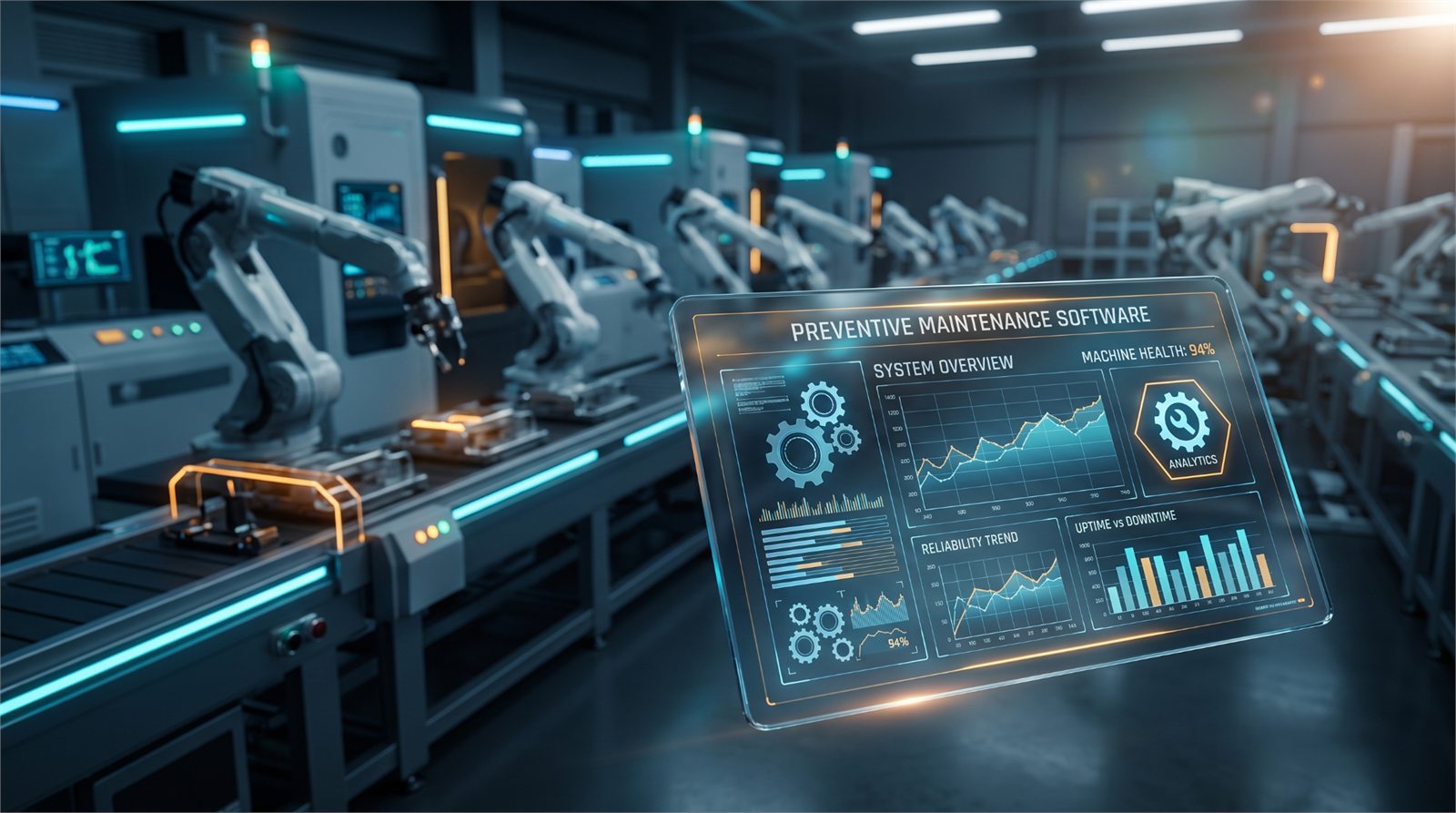
Picture a normal day at a plant using CMMS software. A technician notices a pump vibrating oddly and logs it instantly from their phone. The system automatically creates a work order and assigns it to the right person. Meanwhile, the software has already flagged that a routine maintenance check on a different machine is due next week, based on usage hours — not guesswork. At the end of the day, a manager pulls up a simple report showing exactly what got done, what's pending, and where time and money are going.
That's the real value of CMMS software — it doesn't just record what happened, it actively helps prevent problems before they start.
Who Needs CMMS Software?
Honestly? Almost anyone responsible for keeping physical equipment running smoothly.
Manufacturing plants use it to keep production lines from grinding to a halt. Facilities teams use it to manage HVAC systems, elevators, and building infrastructure. Hospitals rely on it to make sure critical medical equipment is serviced on schedule. Even municipalities use CMMS software to manage public infrastructure like water treatment plants and fleet vehicles.
Basically, if your organization depends on machines, assets, or equipment to function — and unexpected breakdowns cost you time or money — a CMMS is built for you. It doesn't matter if you're running a massive factory or a mid-sized facility with a lean team; the core problem it solves (disorganized, reactive maintenance) is universal.
What Are the Benefits of Using CMMS?
The reason CMMS software has become a staple across industries isn't complicated — it solves real, everyday pain points:
- Less downtime: By scheduling maintenance before something breaks, you avoid the costly surprise of equipment failure.
- Lower costs: Preventive maintenance is almost always cheaper than emergency repairs.
- Better organization: All your maintenance history, spare parts, and schedules live in one searchable system.
- Smarter decisions: With real data on equipment performance, you can spot patterns and plan ahead instead of reacting.
- Compliance made easier: For industries with strict safety or regulatory requirements, having a clean digital record makes audits far less stressful.
In short, it turns maintenance from a stressful, reactive job into something predictable and manageable.
Common Questions About CMMS Software
Is CMMS software hard to learn?
Not really. Most modern systems are designed to be simple enough for technicians to use from a phone or tablet, without needing technical training.
How much does CMMS software cost?
It varies a lot depending on the size of your plant and the features you need — some systems charge per user, others per asset. Cloud-based options tend to be more affordable to start with than older, on-premise systems.
Can CMMS software work without internet access on the shop floor?
Many systems now offer offline mobile apps that sync data automatically once a connection is available, so patchy Wi-Fi on the floor isn't a dealbreaker.
How is AI changing CMMS software?
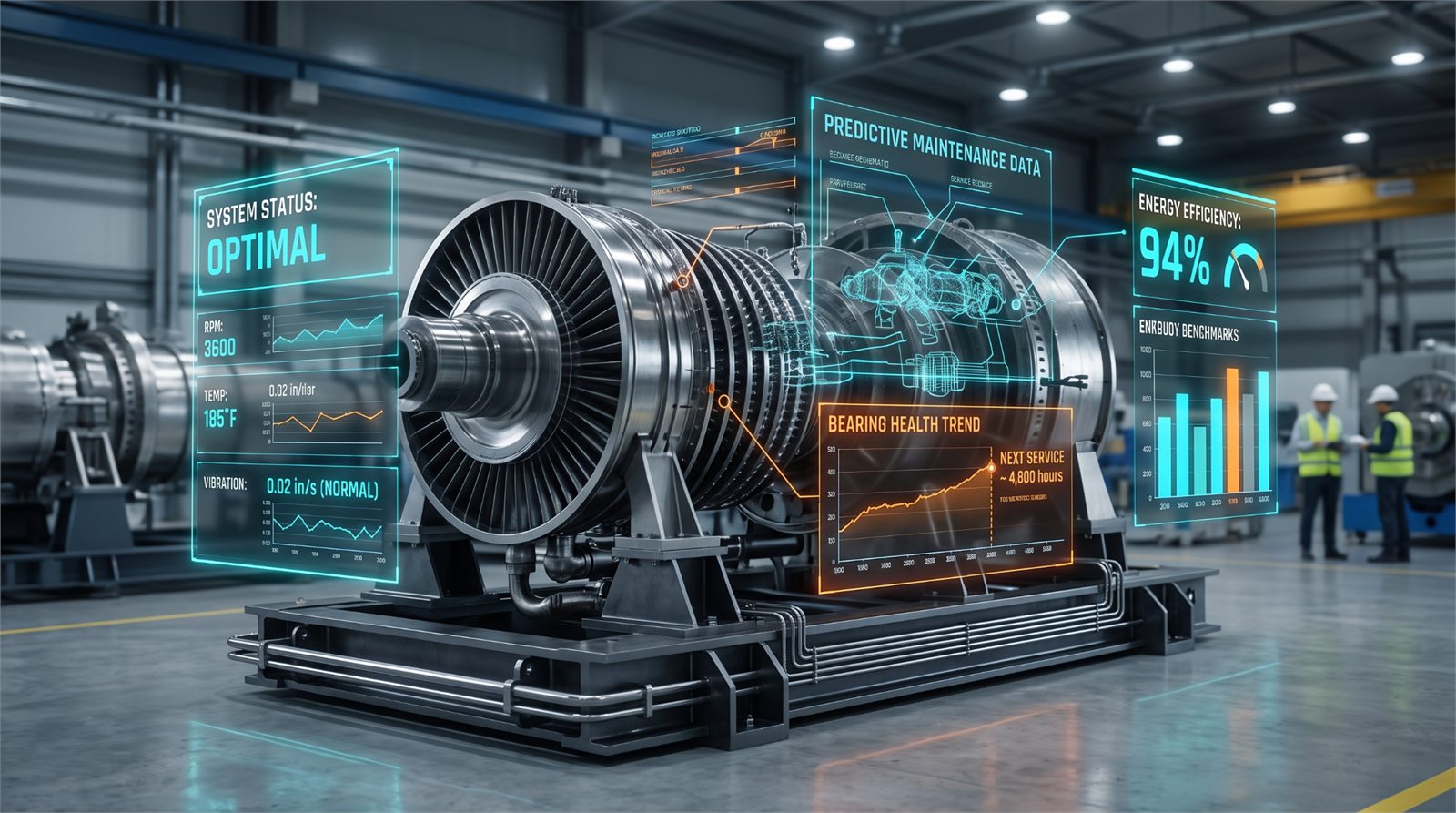
This is where things are heading next — AI is starting to help CMMS systems predict failures before they happen, instead of just recording maintenance after the fact. It's a shift from "track and react" to "predict and prevent."
Final Thoughts
At its core, CMMS software is really just about bringing order to something that's naturally chaotic — keeping machines running. Whether you're managing five machines or five hundred, the goal is the same: know what needs attention, before it becomes a problem.
That's exactly the space PlantOps360 is built for — helping plants move from reactive firefighting to organized, predictable maintenance. If you're just starting to explore this space, understanding what CMMS is and how it works is the first step. The next step? Seeing how modern, AI-powered systems like PlantOps360 are taking this idea even further.