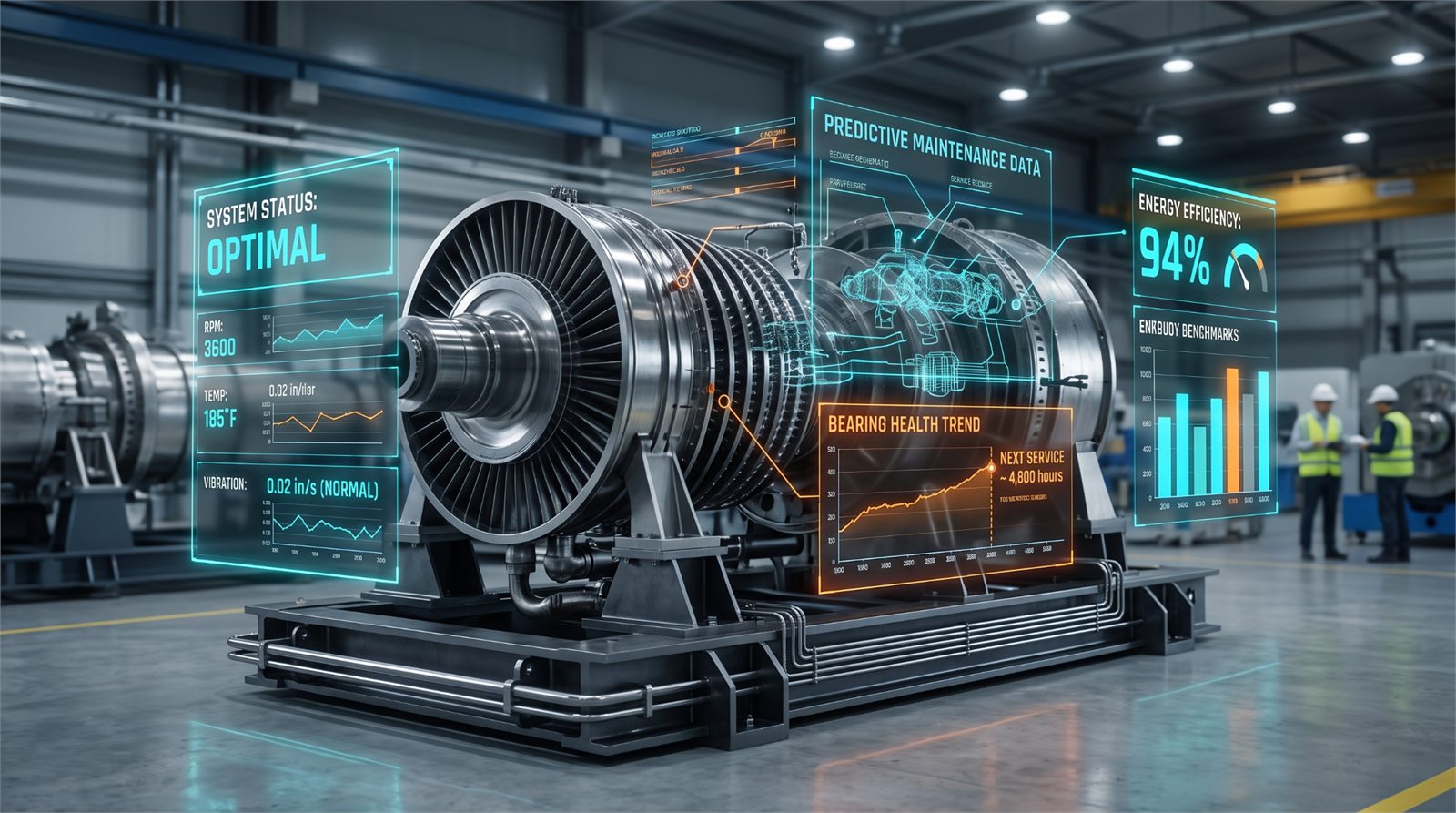
Reactive maintenance feels cheaper because you only pay when something breaks. In reality, fixing equipment after failure is one of the most expensive ways to run a plant.
Why this matters now
Maintenance is no longer a back-office cost center. In a modern plant, the way you maintain equipment directly determines uptime, product quality, safety, and margin. Teams that treat maintenance as a data-driven discipline consistently outperform those that fight fires.
Every hour of unplanned downtime costs far more than the repair itself — in lost production, expedited parts, and overtime.
What good looks like
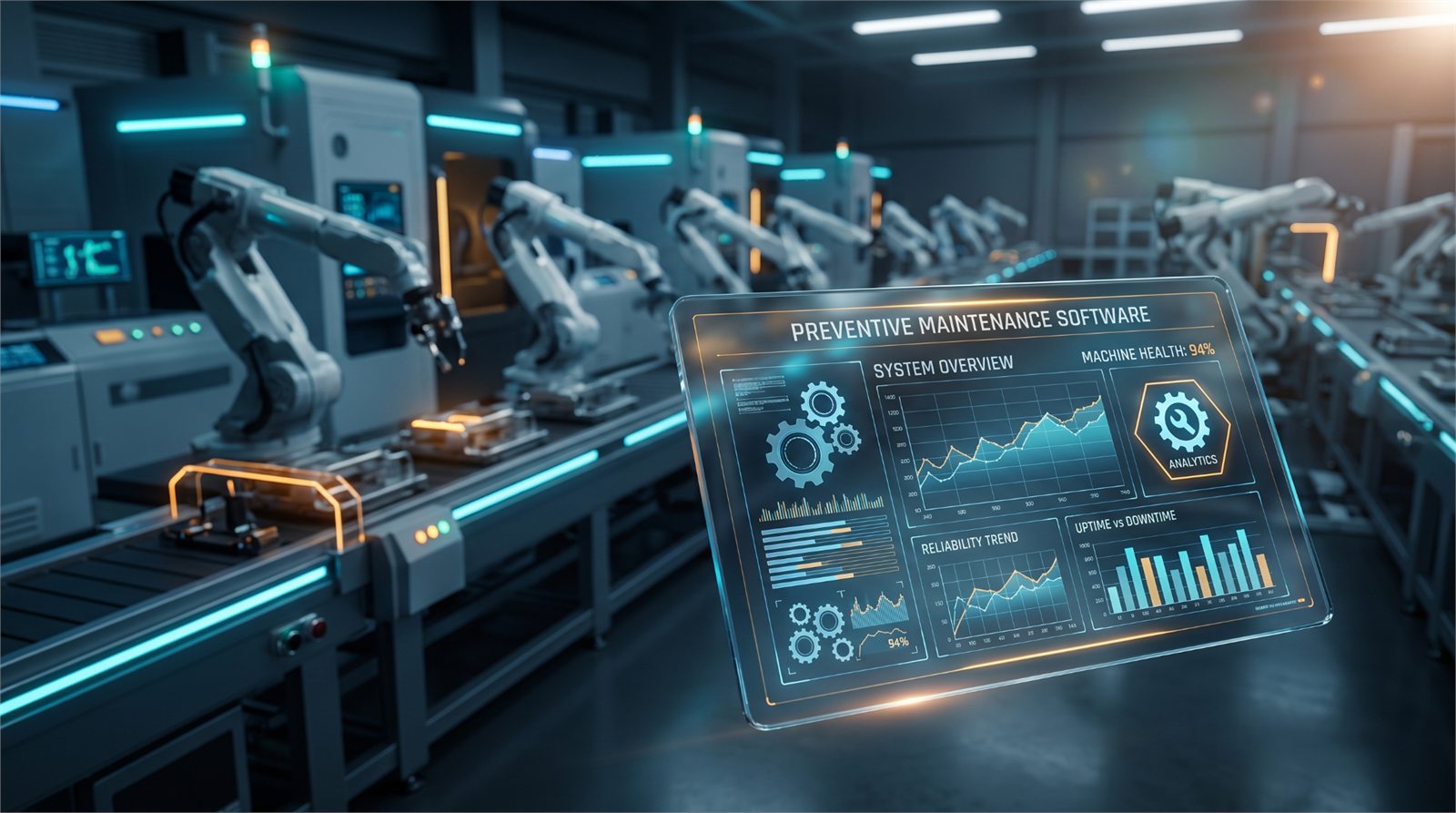
The best maintenance organizations share a few habits. They plan the majority of their work, they capture clean data on every asset, and they use that data to continuously improve. A modern CMMS makes each of these habits the path of least resistance.
- Plan and schedule the majority of work before failure
- Standardize procedures with reusable checklists
- Give technicians mobile, offline access at the asset
- Measure everything — MTBF, MTTR, PM compliance, and cost
Getting started
You do not need to boil the ocean. Start with your most critical assets, get a clean hierarchy and preventive schedule in place, and expand from there. With ready-to-use templates, most plants see measurable results within the first quarter.