A machine stops. Production halts. The whole day turns into firefighting instead of running on the floor.
If this sounds familiar — and you already have a CMMS in place — the problem probably isn't your team. It's your software.
That's the gap PlantOps360 closes.
Why Traditional CMMS Software Falls Short
Most CMMS tools are good at one thing: recording what already went wrong.
A machine breaks. Someone logs it. A technician gets assigned. The repair gets tracked.
That's useful. But it's still reactive. The software documents problems — it doesn't stop them.
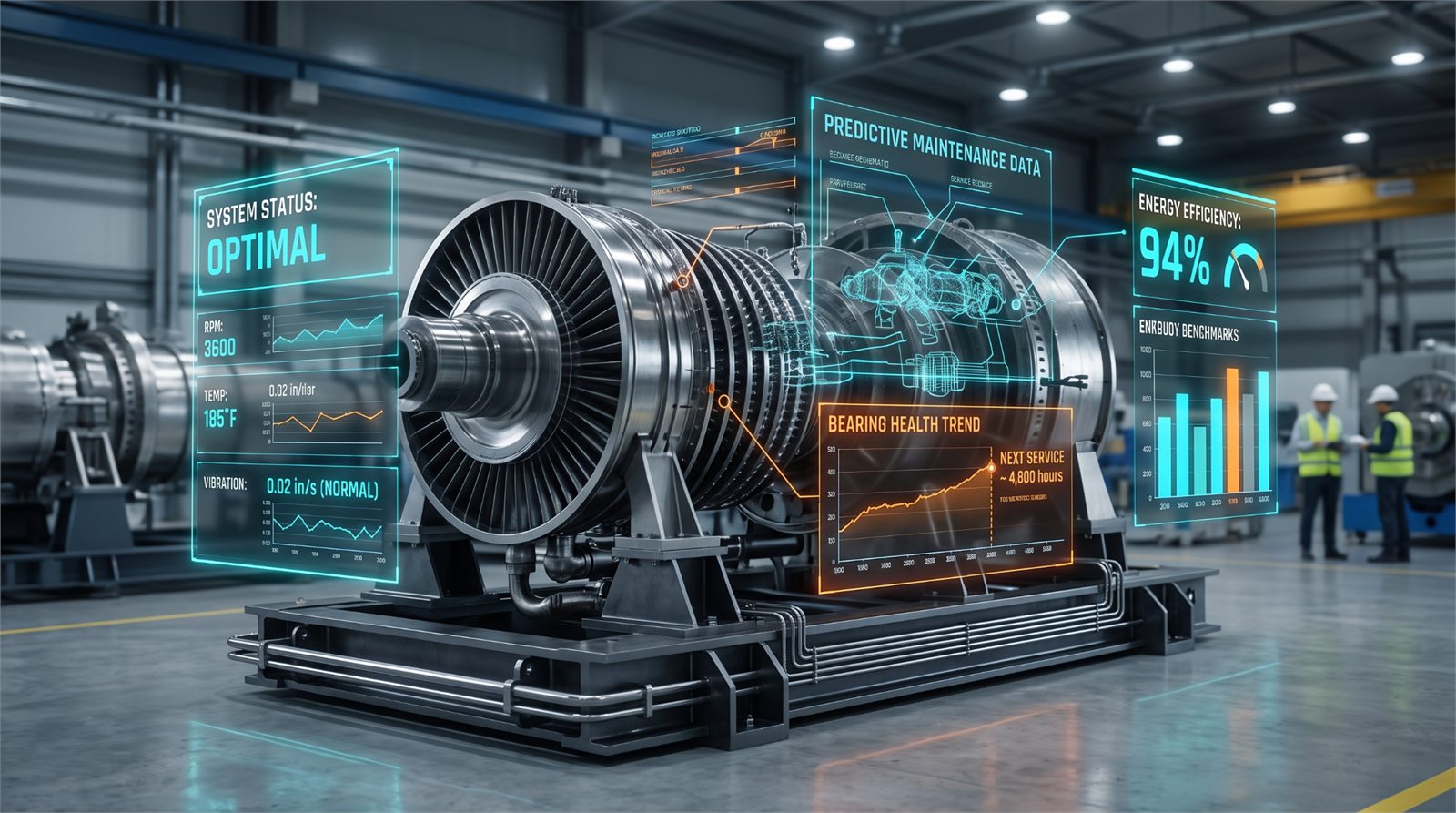
It won't tell you a bearing is wearing out three weeks before it fails. It won't flag strange vibration at 2 a.m. It waits for something to break, then helps you clean up.
For plants that want to actually reduce downtime — not just log it — that's not enough anymore.
How PlantOps360 Uses AI to Predict Failures Before They Happen
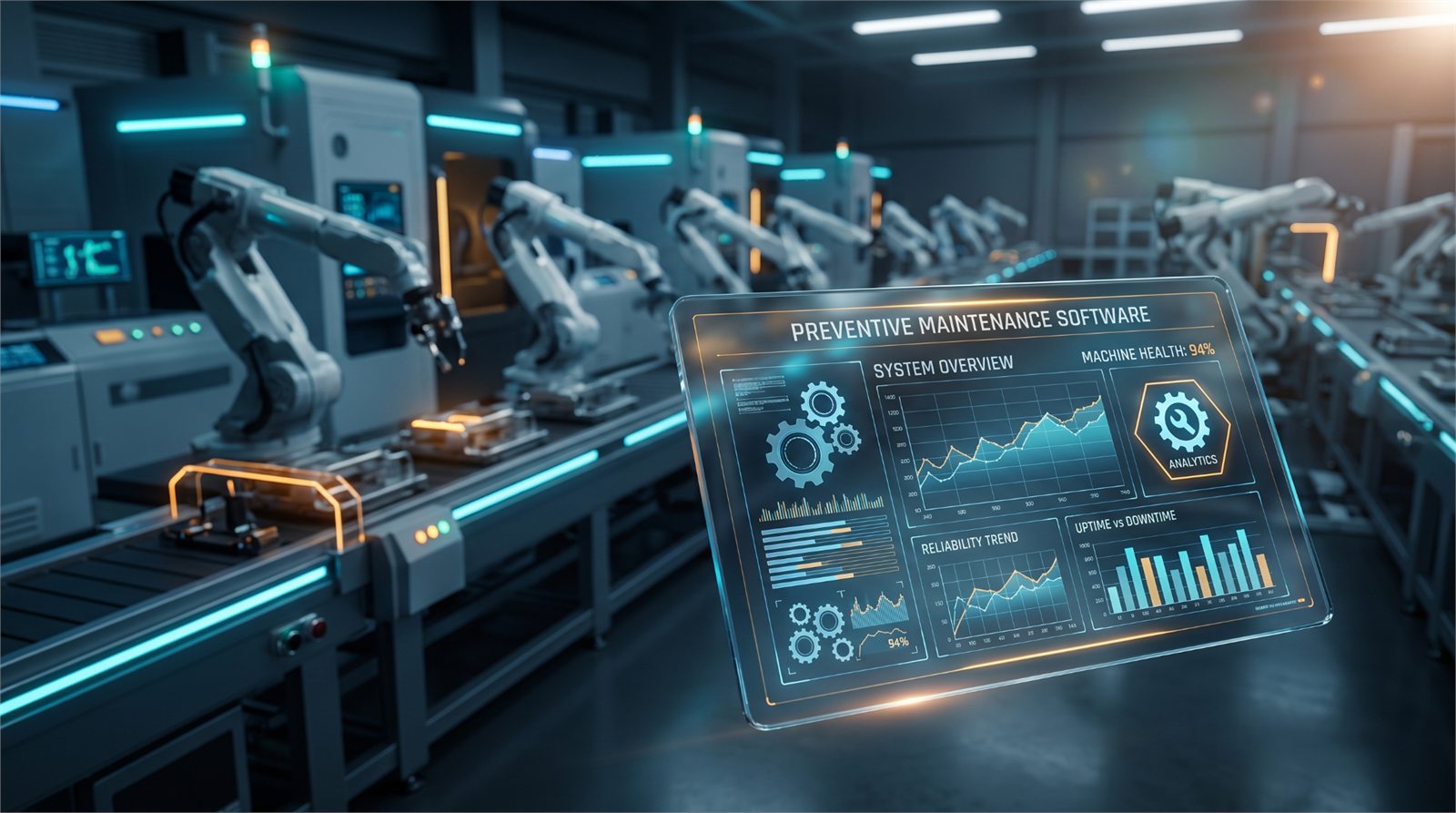
PlantOps360 treats maintenance differently. Instead of just keeping records, it predicts problems before they occur.
Here's how, in three simple steps:
1. Real-Time Equipment Monitoring
PlantOps360 continuously tracks equipment data — usage hours, performance patterns, sensor readings. The system watches your machines even when no one else is.
2. AI-Based Failure Prediction
The AI looks for early warning signs — the patterns that usually show up before a failure, not after. It flags risk early, while your team still has time to act.
3. Automated Work Order Generation
Once a risk is flagged, PlantOps360 doesn't stop at an alert. It creates the work order and assigns the right technician automatically — no manual back-and-forth, no delays.
What Makes PlantOps360 Different From Other CMMS Providers
Here's a quick comparison of the mindset shift:
| Traditional CMMS | PlantOps360 |
|---|---|
| Tracks breakdowns after they happen | Predicts issues before they happen |
| Manual work order creation | Automated work order creation |
| Generic, enterprise-style interface | Built around real plant workflows |
| Long setup and training time | Up and running within days |
| One-size-fits-all | Scales for single plants or multiple sites |
Key Features of PlantOps360's AI-Powered CMMS
- Predictive maintenance alerts based on real equipment behavior
- Centralized asset database — every machine's history in one place
- Automated work orders with instant technician assignment
- Inventory tracking for spare parts and supplies
- Mobile access so technicians can work from the shop floor
- Live dashboards for managers and plant heads
How Plants Benefit From Choosing PlantOps360
Plants that shift from reactive maintenance to PlantOps360's predictive approach usually see the difference in three ways:
- Fewer emergency repairs
- Less last-minute scrambling for spare parts
- More time spent preventing issues instead of chasing them
In short: maintenance stops being the department that reacts to chaos — and becomes the one that prevents it.
Is PlantOps360 Right for Your Plant?
PlantOps360 is built for plants that are done treating downtime as "just part of the job."
It's a good fit if you:
- Still rely on spreadsheets or paper logs
- Use a CMMS that only tracks problems after they happen
- Run a single facility or manage maintenance across multiple sites
Frequently Asked Questions
How much does PlantOps360 cost?
It depends on your plant size and number of assets. Reach out for a plan tailored to your setup.
How long does implementation take?
Most teams are running within days, not months. It's designed to fit your existing workflow, not replace it entirely.
Does PlantOps360 work with our existing plant systems?
Yes. It's built to work alongside your current tools and data — not force a fresh start.
Can I try it before committing?
Yes. A demo can be arranged to show exactly how it fits your plant.
Get Started With PlantOps360
Downtime doesn't have to be something you just manage around.
With an AI-powered CMMS system like PlantOps360, plants can move from reacting to breakdowns to preventing them altogether — saving time, cutting costs, and keeping operations running the way they should.
Ready to see how this works for your plant? PlantOps360 is ready to show you.